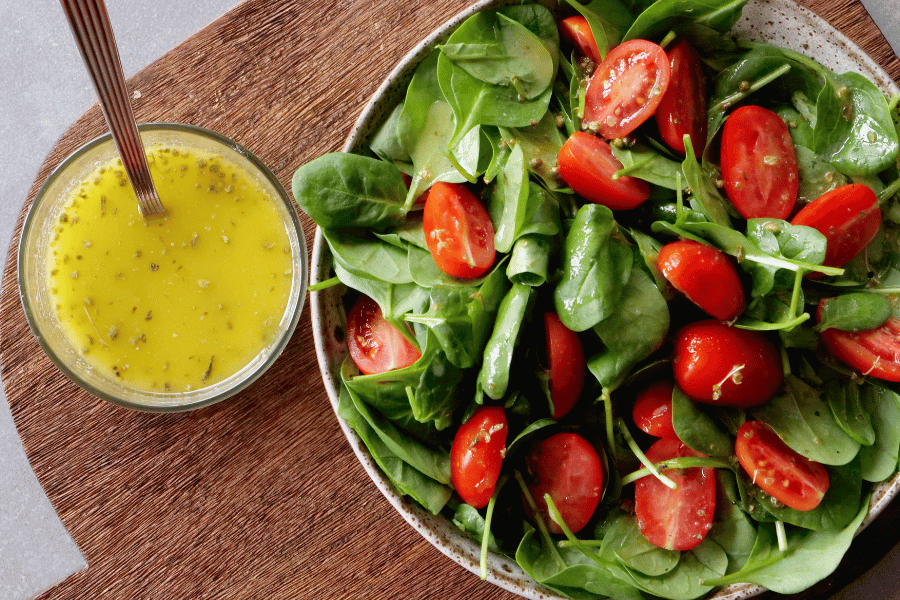
The Quest for Authentic Flavor: Unearthing the Secrets of Classic Greek Salad Dressing
Are you perpetually underwhelmed by the Greek salads you encounter, longing for that vibrant taste remembered from sun-drenched Mediterranean holidays? Many of us are, often finding store-bought dressings or even restaurant versions falling short of true authenticity. The secret, however, isn't about adding exotic components; it's about mastering the fundamental elements of a classic Greek salad dressing. This isn't just about mixing ingredients; it's about a philosophy of precision and quality that lies at the very heart of authentic Greek cuisine.
A truly exceptional classic Greek salad dressing transforms a humble salad into an extraordinary culinary experience. It's a revelation how a few well-chosen, high-quality ingredients, when combined with respect and balance, can infuse every bite with the spirit of the Mediterranean. Forget boring bottled options; we're about to delve into the quintessential ingredients that provide that robust, refreshing amalgamation of tang, richness, and herbaceousness, ensuring your homemade dressing stands out.
The Pillars of Authentic Flavor: Essential Ingredients for Your Classic Greek Dressing
At its core, a genuine classic Greek salad dressing recipe respects the inherent quality of its components. This is not the place for shortcuts or substitutions that dilute the authentic profile. Understanding the distinct role each ingredient plays unlocks the magic that unfolds.
Extra Virgin Olive Oil: The Liquid Gold of Greece
This is arguably the most crucial element, the very soul of Greek cooking. Not just any olive oil will do for an authentic classic Greek salad dressing. You absolutely must opt for high-quality extra virgin olive oil (EVOO). Why EVOO? Because it's unrefined, meaning it retains its natural flavor, vibrant aroma, and beneficial antioxidants. A superior Greek EVOO will have a distinct peppery finish, a fruity aroma, and often subtle notes of artichoke or fresh grass. These nuances elevate the dressing from merely oily to richly flavorful, providing a robust base that carries all the other components beautifully.
- Quality Matters: Look for cold-pressed, first-press extra virgin olive oil from specific Greek regions like Kalamata or Crete, known for their exceptional olive varietals. The intensity and character of the olive oil are paramount.
- Freshness is Key: Olive oil can go rancid. Always check the harvest date and "best by" date. Store it in a cool, dark place, away from direct sunlight and heat, to preserve its delicate flavors and health benefits.
- Beyond the Salad: A high-quality EVOO is so much more than just a dressing base. Drizzle it over grilled fish, use it for dipping crusty bread, or finish soups and stews.
The Dual Acidity: Fresh Lemon Juice and Red Wine Vinegar
The characteristic tang of a classic Greek salad dressing comes from a complex acidity profile, achieved by combining two essential elements: fresh lemon juice and red wine vinegar. This dynamic duo creates a vibrant balance that cuts through the richness of the olive oil, stimulating your palate.
- Fresh Lemon Juice: This provides an immediate, bright, and zesty lift. Its crisp acidity offers a refreshing counterpoint, awakening the other flavors and ensuring the dressing doesn't feel heavy. Always opt for fresh-squeezed lemon juice; bottled versions simply cannot compare in terms of vibrancy and natural flavor.
- Red Wine Vinegar: The other half of the acidic equation, red wine vinegar contributes a deeper, more robust tang and a traditional fermented complexity. It provides a foundational sharpness that anchors the dressing and gives it that undeniable Greek character. Choose a good quality red wine vinegar, avoiding those with artificial colors or flavors.
- The Perfect Balance: The ratio of lemon juice to red wine vinegar, and to the olive oil, is crucial. It's this delicate balance that prevents the dressing from being overly sour or too oily, creating that addictive, palate-cleansing finish.
Oregano: The Herbaceous Heartbeat
If EVOO is the soul, then oregano is the heartbeat of a classic Greek salad dressing. It's the herbaceous backbone that unmistakably screams "Greek" with every bite. This isn't just an afterthought; it's a critical flavor component.
- Greek Oregano is Superior: While various types of oregano exist, authentic Greek oregano (Origanum vulgare hirtum) has a more potent, earthier, and slightly peppery flavor profile compared to its milder counterparts like Mexican oregano or common garden oregano.
- Dried is Often Preferred: Interestingly, for salad dressings, dried Greek oregano is often favored over fresh. The drying process concentrates its essential oils, leading to a more intense and robust flavor that infuses beautifully into the oil and vinegar mixture. Lightly crush the dried oregano between your palms before adding it to release its aromatic compounds.
- Beyond the Dressing: Oregano is indispensable in Greek cuisine, used in everything from roasted meats and vegetables to sauces and marinades. Its presence makes the dressing truly authentic.
Garlic: The Unsung Hero
Garlic plays a subtle yet essential supporting role in a classic Greek salad dressing. It's not meant to dominate but rather to meld seamlessly into the background, providing a foundational warmth, pungency, and depth that enhances all the other flavors.
- Subtlety is Key: The goal is a gentle hint of garlic, not an overpowering bite. One small clove, finely minced or crushed, is usually sufficient for a standard batch of dressing. If you prefer a milder garlic flavor, you can let a crushed clove sit in the dressing for a while and then remove it before serving.
- Fresh is Best: Always use fresh garlic. Jarred minced garlic lacks the brightness and potency of a freshly crushed clove.
- Preparation Matters: Finely mincing or crushing the garlic helps it integrate better into the dressing without leaving large, pungent chunks.
Salt and Freshly Ground Black Pepper: The Essential Seasoning
While often overlooked in favor of the more "hero" ingredients, salt and freshly ground black pepper are crucial for bringing all the flavors together in your classic Greek salad dressing. They don't just add their own taste; they enhance and awaken the natural flavors of everything else.
- Kosher or Sea Salt: Use a good quality kosher or sea salt. Its flakes dissolve well and provide a clean, briny flavor. Start with a small amount and taste, adjusting as needed.
- Freshly Ground Black Pepper: The aromatic oils in freshly ground black pepper are far superior to pre-ground varieties. It adds a subtle warmth and a gentle bite that complements the other ingredients beautifully.
Crafting Your Masterpiece: Tips for Success with Your Classic Greek Salad Dressing
Now that you understand the role of each ingredient, here are a few practical tips to ensure your homemade classic Greek salad dressing is nothing short of perfection:
- Emulsification for Excellence: To achieve that creamy, well-integrated texture, proper emulsification is key. Vigorously whisk the ingredients together in a bowl, or even better, combine them in a jar with a tight-fitting lid and shake vigorously until well combined. The mixture should thicken slightly and appear homogenous.
- Taste and Adjust: This is perhaps the most important tip. Every lemon is different, and personal preferences vary. Always taste your dressing before serving and adjust the salt, pepper, lemon juice, or even a touch more oregano until it sings to your palate.
- Let It Mingle: While delicious immediately, allowing the dressing to sit for at least 15-30 minutes (or even longer in the fridge) lets the flavors meld and deepen, especially the garlic and oregano. Remember to re-whisk or shake before serving.
- Storage Savvy: Store any leftover dressing in an airtight container in the refrigerator for up to a week. The olive oil may solidify when chilled; simply bring it to room temperature and whisk again before use.
- Versatility Unleashed: Don't limit your classic Greek salad dressing to just salads! It makes a fantastic marinade for chicken, fish, or pork, a vibrant dressing for roasted vegetables, or even a delicious dip for crusty bread. Ready to Unlock Authentic Mediterranean Flavor: Classic Greek Dressing yourself?
Conclusion: Embrace the Authentic Taste of Greece
The journey to mastering the classic Greek salad dressing is a rewarding one. It underscores a fundamental principle of authentic Greek cuisine: that the simplest ingredients, when chosen for their quality and combined with care, can yield the most profound flavors. By prioritizing high-quality extra virgin olive oil, fresh lemon juice, robust red wine vinegar, pungent Greek oregano, and a touch of fresh garlic, you're not just making a dressing; you're crafting an experience that transports your taste buds straight to the sun-drenched shores of Greece. So, go ahead, whisk up restaurant-quality classic Greek salad dressing at home and transform your everyday meals into a gourmet Mediterranean feast!
